


Driving TVET Transformation in Lebanon: Insights from IRADA’s Leadership
Driving TVET Transformation in Lebanon: Insights from IRADA’s Leadership
Louay Malas discusses how the STRIPES Project is reshaping vocational education for resilience and growth.
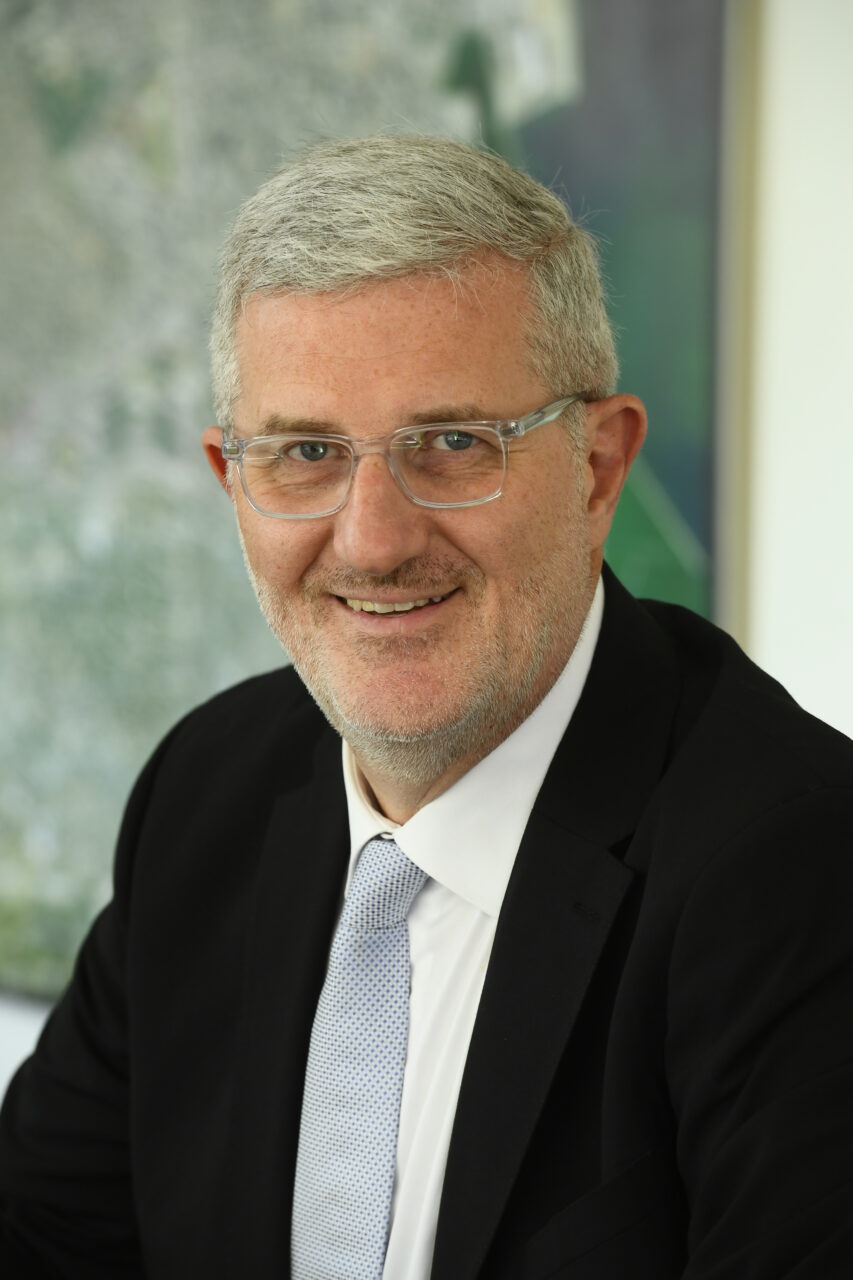
In the context of the STRIPES Project, co-funded by the European Union through the Erasmus+ Programme, we spoke to Mr. Louay Malas, President of IRADA – The Businessmen’s Union for Support and Development in Lebanon, and Founder of the Khoubourat HR Program, who shared his vision on how Technical and Vocational Education and Training (TVET) is contributing to Lebanon’s recovery and long-term stability. He began by emphasizing that amid the ongoing economic and social challenges, vocational education has become a cornerstone for resilience, employability, and opportunity. He explained that the STRIPES Project represents a bold and timely initiative that seeks to reshape Lebanon’s TVET landscape into a dynamic, inclusive, and future-ready system capable of preparing young people to meet evolving labor market demands.
He added that one of the project’s key achievements is the development of the Training of Trainers (TOT) Manual, which provides a structured, competency-based framework aimed at enhancing the quality of teaching and learning within vocational institutions. The manual, he noted, equips trainers with the tools and methodologies needed to deliver learner-centered, interactive, and market-relevant instruction, enabling them to serve not only as educators but also as mentors and facilitators of growth. Through this initiative, STRIPES is reinforcing the pivotal role of trainers in bridging education with employment and ensuring that Lebanon’s youth gain the skills, confidence, and adaptability needed to succeed in today’s world.
Mr. Malas also spoke about the clear transformation already taking place across Lebanon’s vocational sector. He highlighted that institutions such as CIS College and INMAA have witnessed significant growth in student enrollment—over 70% and 50% respectively in the past two years—reflecting the growing trust in vocational education as a credible and respected pathway to employment and entrepreneurship. He further mentioned that IRADA’s Khoubourat HR Program has recorded a threefold increase in job placements for vocational graduates between 2021 and 2024, underscoring the private sector’s growing recognition of the value that technically skilled professionals bring to the workforce.
He then talked about how innovation and technology are driving this transformation. Through the STRIPES Project, vocational institutions are increasingly integrating digital tools, modern teaching techniques, and emerging technologies, thereby expanding access to both local and remote employment opportunities. He explained that the focus is shifting beyond simple skill acquisition toward adaptability, lifelong learning, and digital competence—elements that are essential in ensuring sustainable economic progress.
In conclusion, Mr. Malas stressed the central role that trainers play in this process, describing them as mentors and role models who shape not only the professional capabilities of their students but also the resilience of entire communities. He reaffirmed that STRIPES is more than a development project; it is a collaborative movement between Lebanese and European partners dedicated to strengthening institutions, promoting quality education, and empowering youth and women across Lebanon. By investing in human capital, modernizing teaching practices, and building institutional capacity, the STRIPES Project is paving the way for a more equitable, skilled, and hopeful future for Lebanon.